
Afleveringen
-
Can a backpack made from ocean-bound plastic become a global accessories brand? In this episode, Kathrin Melchior of Got Bag shares how thoughtful product development, customer insights, and sustainable innovation transformed a crowdfunding idea into one of the most recognizable bag brands on the street. From designing inside a fast-moving global retailer to helping scale a purpose-driven startup, Katrine explains why great products come from constant testing—not just great taste. She also reveals how one surprising customer insight led Got Bag from backpacks into handbags, and why understanding who actually buys your product is often the biggest breakthrough.
Key Takeaways:
Design with data — Customer feedback beats assumptions every time.Stay open to surprises — Your real customer may not be who you expected.Purpose needs a great product — Sustainability succeeds when design and function come first.🎧 Listen now to learn how sustainable innovation, smart product strategy, and customer insights can build a brand that people proudly carry every day.
Our Guest:
Kathrin Melchior is a product developer and designer at Got Bag, the sustainable accessories brand known for transforming ocean-bound plastic into durable, everyday bags. With experience spanning global fashion retail and purpose-driven product development, she combines design thinking, consumer insights, and sustainability to create products that are both functional and commercially successful.
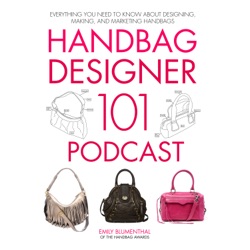
Host Emily Blumenthal is a handbag industry expert, author of Handbag Designer 101, and founder of The Handbag Awards. Known as the “Handbag Fairy Godmother,” Emily also teaches entrepreneurship at the Fashion Institute of Technology. She is dedicated to celebrating creativity, craftsmanship, and the art of building iconic handbag brands.
Find Handbag Designer 101 Merch, HBD101 Masterclass, one-on-one sessions, and opportunities to book Emily Blumenthal as a speaker at emilyblumenthal.com.
Support the show
Youtube: / Handbagdesigner101-ihda | Instagram:/ Handbagdesigner
TikTok: / Handbagdesigner | Twitter: / Handbagdesigner
-
What separates brands that grow from those that stall? In this episode, growth marketing consultant Alex Greifeld shares why defining your ideal customer is the foundation of every successful fashion brand. Drawing on experience at FIT, Jones New York, Tibi, and Tapestry, Alex explains how leading brands balance creative instinct with real market data. From building a clear unique selling proposition to understanding customer acquisition costs, unit economics, and digital marketing, she offers a practical roadmap for founders looking to grow smarter. Alex also shares her approach to content creation, short-form video, and what unconventional brands like Brandy Melville can teach designers about standing out in a crowded market.
Key Takeaways:
• Know exactly who you're selling to — Clear customer definition drives every successful marketing decision.
• Growth starts with the numbers — CAC, unit economics, and positioning matter as much as great design.
• Content builds trust — Consistent, authentic storytelling is one of today's most powerful growth tools.🎧 Listen now for actionable marketing strategies every handbag designer and fashion founder should know.
Our Guest:
Alex Greifeld is a fashion growth marketing consultant who helps brands scale through customer strategy, digital marketing, and content. With experience spanning FIT, Jones New York, Tibi, and Tapestry, she combines merchandising expertise with performance marketing to help fashion businesses build stronger brands and sustainable growth.Host Emily Blumenthal is a handbag industry expert, author of Handbag Designer 101, and founder of The Handbag Awards. Known as the “Handbag Fairy Godmother,” Emily also teaches entrepreneurship at the Fashion Institute of Technology. She is dedicated to celebrating creativity, craftsmanship, and the art of building iconic handbag brands.
Find Handbag Designer 101 Merch, HBD101 Masterclass, one-on-one sessions, and opportunities to book Emily Blumenthal as a speaker at emilyblumenthal.com.
Support the show
Youtube: / Handbagdesigner101-ihda | Instagram:/ Handbagdesigner
TikTok: / Handbagdesigner | Twitter: / Handbagdesigner
-
Zijn er afleveringen die ontbreken?
-
What happens when a designer steps inside the Italian luxury manufacturing system and sees how much material never makes it into the final product? In this episode, Cassandra Kane shares how a move to Florence transformed her understanding of craftsmanship, sustainability, and the hidden costs of luxury production. After years designing for major fashion brands, she discovered the staggering amount of leather waste generated during manufacturing and set out to create a different model. The result was Sieme, an upcycled handbag brand that transforms leather offcuts and overstock into modern, luxury-quality accessories. Cassandra also discusses the challenges of building a circular supply chain in Italy, the creation of Zero Lab, and why transparency, education, and thoughtful design are essential to making sustainability more than just a marketing claim.
Key Takeaways:
• Waste is built into luxury production — Understanding the manufacturing process reveals opportunities for innovation.
• Sustainability requires infrastructure — Great intentions aren't enough without systems that support circularity.
• Storytelling builds trust — Transparency, education, and product longevity help customers connect with purpose-driven brands.🎧 Listen now for an inside look at Italian craftsmanship, circular fashion, and building a luxury brand with sustainability at its core.
Our Guest:
Cassandra Kane is the founder of CMA, an Italian-made handbag brand that transforms luxury leather offcuts and surplus materials into elevated accessories. Based in Florence, she combines her background in fashion design and product development with a deep commitment to circular manufacturing. She is also a co-founder of Zero Lab, an initiative focused on creating practical infrastructure for sustainable and compliant upcycling within Italy's fashion industry.Host Emily Blumenthal is a handbag industry expert, author of Handbag Designer 101, and founder of The Handbag Awards. Known as the “Handbag Fairy Godmother,” Emily also teaches entrepreneurship at the Fashion Institute of Technology. She is dedicated to celebrating creativity, craftsmanship, and the art of building iconic handbag brands.
Find Handbag Designer 101 Merch, HBD101 Masterclass, one-on-one sessions, and opportunities to book Emily Blumenthal as a speaker at emilyblumenthal.com.
Support the show
Youtube: / Handbagdesigner101-ihda | Instagram:/ Handbagdesigner
TikTok: / Handbagdesigner | Twitter: / Handbagdesigner
-
What drives a generation to skip credit card debt yet confidently spend on a vintage Balenciaga or a Fendi Baguette? In this episode, Hitha Herzog, Chief Research Officer at H Squared Research, breaks down the economic and cultural forces shaping how Gen Z shops today. From the rise of resale and the circular economy to the growing popularity of buy-now-pay-later services, Hitha explains how younger consumers balance aspiration with caution. She also unpacks the concept of the K-shaped economy, revealing why two shoppers can experience the same market in completely different ways—and how that impacts luxury, fashion, and consumer behavior.
Key Takeaways:
• Gen Z defines luxury differently — Resale, vintage, and experiences often matter more than traditional status symbols.
• Economics shape behavior — The K-shaped economy creates vastly different spending realities among consumers.
• The experience is part of the product — Packaging, unboxing, and storytelling influence purchasing decisions as much as the item itself.🎧 Listen now for a fascinating look at the psychology, economics, and future of luxury shopping.
Our Guest:
Hitha Herzog is the Chief Research Officer at H Squared Research, where she analyzes consumer behavior, retail trends, and the economic forces shaping how people spend. A respected commentator on business, retail, and culture, Hitha helps brands understand the evolving relationship between consumers, technology, and purchasing decisions in a rapidly changing marketplace.Host Emily Blumenthal is a handbag industry expert, author of Handbag Designer 101, and founder of The Handbag Awards. Known as the “Handbag Fairy Godmother,” Emily also teaches entrepreneurship at the Fashion Institute of Technology. She is dedicated to celebrating creativity, craftsmanship, and the art of building iconic handbag brands.
Find Handbag Designer 101 Merch, HBD101 Masterclass, one-on-one sessions, and opportunities to book Emily Blumenthal as a speaker at emilyblumenthal.com.
Support the show
Youtube: / Handbagdesigner101-ihda | Instagram:/ Handbagdesigner
TikTok: / Handbagdesigner | Twitter: / Handbagdesigner
-
What happens when a sentimental handbag inspires an entirely new business? In this episode, Penny Crook, founder of Denault Handbags, shares how a purse gifted by her late father sparked the idea for a patented reversible handbag designed to simplify wardrobes and deliver two looks in one. Leaving behind a career in financial advising, Penny entered the world of product development, manufacturing, and patents to create a bag that blends functionality, versatility, and quality. She opens up about costly manufacturing mistakes, the importance of vetting factories, and the lessons she learned rebuilding her business with stronger processes and partners. From tech packs and sampling costs to Amazon, boutiques, trade shows, and influencer marketing, Penny offers a practical roadmap for turning an idea into a marketable product.
Key Takeaways:
• Do your homework on manufacturers — Research, references, and factory vetting can save years of costly mistakes.
• Patience protects your brand — Slowing down during development often prevents expensive problems later.
• Innovation needs education — Unique products sell faster when customers can clearly see and understand the value.🎧 Listen now for a candid conversation about invention, entrepreneurship, and building a handbag brand from a personal story.
Our Guest:
Penny Crook is the founder and inventor behind Denault Handbags, a patented reversible handbag brand designed to offer style, versatility, and everyday practicality. A former financial advisor turned entrepreneur, Penny combines thoughtful product innovation with quality craftsmanship, creating handbags that help women simplify their wardrobes without sacrificing style.Host Emily Blumenthal is a handbag industry expert, author of Handbag Designer 101, and founder of The Handbag Awards. Known as the “Handbag Fairy Godmother,” Emily also teaches entrepreneurship at the Fashion Institute of Technology. She is dedicated to celebrating creativity, craftsmanship, and the art of building iconic handbag brands.
Find Handbag Designer 101 Merch, HBD101 Masterclass, one-on-one sessions, and opportunities to book Emily Blumenthal as a speaker at emilyblumenthal.com.
Support the show
Youtube: / Handbagdesigner101-ihda | Instagram:/ Handbagdesigner
TikTok: / Handbagdesigner | Twitter: / Handbagdesigner
-
What does it take to turn an environmental mission into a scalable accessories business? In this episode, Beth Greenlaw of Seabags Maine shares how she left a corporate career to help build one of the most recognizable upcycled handbag brands in America. By transforming retired sailcloth into one-of-a-kind bags made on Maine’s working waterfront, Seabags created a business rooted in sustainability, local manufacturing, and authentic storytelling. Beth discusses the realities behind "Made in USA" production, building a brand around strong values, navigating founder partnerships, and creating an exit strategy that protects both the business and the people behind it. She also breaks down the practical side of growth—from wholesale and trade shows to pricing handmade products and discovering that your best customer may not be the one you originally imagined.
Key Takeaways:
• Values can drive growth — Sustainability works best when it’s embedded in the product, not just the marketing.
• Partnerships need structure — Clear roles, legal agreements, and exit plans protect both relationships and brands.
• Let customers guide strategy — The market often reveals opportunities founders never expected.🎧 Listen now for a candid conversation about sustainable manufacturing, brand building, and scaling a purpose-driven accessories company.
Our Guest:
Beth Greenlaw is the former CEO of Seabags Maine, the pioneering upcycled accessories company known for transforming retired sailcloth into handcrafted bags made in Portland, Maine. With a background in corporate sales and entrepreneurship, Beth helped grow Seabags into a nationally recognized brand while staying true to its mission of sustainability, local manufacturing, and community impact.Host Emily Blumenthal is a handbag industry expert, author of Handbag Designer 101, and founder of The Handbag Awards. Known as the “Handbag Fairy Godmother,” Emily also teaches entrepreneurship at the Fashion Institute of Technology. She is dedicated to celebrating creativity, craftsmanship, and the art of building iconic handbag brands.
Find Handbag Designer 101 Merch, HBD101 Masterclass, one-on-one sessions, and opportunities to book Emily Blumenthal as a speaker at emilyblumenthal.com.
Support the show
Youtube: / Handbagdesigner101-ihda | Instagram:/ Handbagdesigner
TikTok: / Handbagdesigner | Twitter: / Handbagdesigner
-
What happens when the retail world you built no longer works? In this episode, Shy Iland, founder of Daisy Rose and former owner of the indie-boutique chain Big Drop, shares how the 2008 financial crisis reshaped his entire approach to fashion. After watching handbags outperform most retail categories during the downturn, Shy pivoted from brick-and-mortar retail into handbag manufacturing, sourcing, and private label production. He opens up about the realities of running multi-store retail before ecommerce, the pressure of inventory, rent, and shrinking margins, and the difficult decision to walk away from a family business. From traveling to China’s Canton Fair to building factory relationships and eventually launching Daisy Rose, Shy breaks down how Amazon FBA, influencer momentum, and disciplined sourcing helped transform his next chapter into a scalable business.
Key Takeaways:
• Accessories survive downturns — Handbags often outperform trend-driven categories during economic shifts.
• Manufacturing is relationship-driven — Strong factory partnerships matter more than chasing the lowest price.
• Scale requires adaptation — Moving from retail to sourcing to Amazon selling demanded constant reinvention.🎧 Listen now for a candid look at retail survival, handbag manufacturing, and building a modern accessories business from the ground up.
Our Guest:
Shy Iland is the founder of Daisy Rose and former co-owner of Big Drop, a pioneering New York boutique chain known for discovering emerging designers before the ecommerce era. With decades of experience spanning retail, sourcing, manufacturing, and Amazon-driven growth, Shy has built a business rooted in adaptability, product instinct, and strategic scaling.Host Emily Blumenthal is a handbag industry expert, author of Handbag Designer 101, and founder of The Handbag Awards. Known as the “Handbag Fairy Godmother,” Emily also teaches entrepreneurship at the Fashion Institute of Technology. She is dedicated to celebrating creativity, craftsmanship, and the art of building iconic handbag brands.
Find Handbag Designer 101 Merch, HBD101 Masterclass, one-on-one sessions, and opportunities to book Emily Blumenthal as a speaker at emilyblumenthal.com.
Support the show
Youtube: / Handbagdesigner101-ihda | Instagram:/ Handbagdesigner
TikTok: / Handbagdesigner | Twitter: / Handbagdesigner
-
What happens when a strong handbag concept collides with the realities of pricing, production, and scale? In this episode, Alexandra Satine—former handbag designer and founder of YourCohort—shares her journey from creative ambition to business reinvention. From moving from Venezuela to the U.S. and breaking into fashion, to launching her own line and facing the hard lessons of trademarks, sourcing, retailer expectations, and margin pressure, Alexandra unpacks what founders often learn too late: taste may spark a brand, but financial strategy keeps it alive. She also opens up about stepping away from her namesake business, navigating venture-backed environments, and why understanding operations, investor expectations, and fractional financial leadership became the foundation for her next chapter.
Key Takeaways:
• Creativity needs business discipline — Great products fail when pricing, margins, and operations don’t support them.
• Pivoting is part of growth — Letting go of one version of success can create space for a smarter one.
• Finance protects creativity — Strong financial strategy gives founders the freedom to build sustainably.🎧 Listen now for a candid look at what it really takes to build, scale, and evolve beyond the original dream.
Our Guest:
Alexandra Satine is a former handbag designer and founder of YourCohort, where she helps businesses sharpen strategy, operations, and financial clarity. After firsthand experience building and exiting her own fashion brand, Alexandra now uses that hard-won knowledge to help founders create stronger, more sustainable businesses.Host Emily Blumenthal is a handbag industry expert, author of Handbag Designer 101, and founder of The Handbag Awards. Known as the “Handbag Fairy Godmother,” Emily also teaches entrepreneurship at the Fashion Institute of Technology. She is dedicated to celebrating creativity, craftsmanship, and the art of building iconic handbag brands.
Find Handbag Designer 101 Merch, HBD101 Masterclass, one-on-one sessions, and opportunities to book Emily Blumenthal as a speaker at emilyblumenthal.com.
Support the show
Youtube: / Handbagdesigner101-ihda | Instagram:/ Handbagdesigner
TikTok: / Handbagdesigner | Twitter: / Handbagdesigner
-
What happens when handbag design stops being just about trends and starts confronting bigger questions—materials, sustainability, and what happens after the hype fades? In this episode, Syl Tang joins us to unpack how the accessories world is shifting through the lens of fashion history, customer behavior, and future forecasting. From the scrappy late-90s NYC era—when emerging brands had to win customers face-to-face—to today’s conversations around sustainability, co-branding, and smarter growth, Syl shares why designers need more than aesthetics to build lasting brands. We explore customer ethnography, the risks of outsourcing too early, and why durability, transparency, and global forces like climate and economics increasingly shape what people buy.
Key Takeaways:
• Know your customer firsthand — Real-world insight beats vanity metrics every time.
• Sustainability needs substance — Durable materials and transparency matter more than trendy labels.
• Future-proof your brand — Cultural, economic, and environmental shifts define what sells next.🎧 Listen now for a sharp conversation on sustainability, strategic growth, and designing brands that outlast the trend cycle.
Our Guest:
Syl Tang is a futurist, sustainability strategist, and founder focused on helping brands understand the intersection of fashion, innovation, and long-term consumer behavior. With experience spanning accessories, trend forecasting, and cultural analysis, Syl brings a forward-thinking perspective to how designers can build products—and companies—that stay relevant in a rapidly changing world.Host Emily Blumenthal is a handbag industry expert, author of Handbag Designer 101, and founder of The Handbag Awards. Known as the “Handbag Fairy Godmother,” Emily also teaches entrepreneurship at the Fashion Institute of Technology. She is dedicated to celebrating creativity, craftsmanship, and the art of building iconic handbag brands.
Find Handbag Designer 101 Merch, HBD101 Masterclass, one-on-one sessions, and opportunities to book Emily Blumenthal as a speaker at emilyblumenthal.com.
Support the show
Youtube: / Handbagdesigner101-ihda | Instagram:/ Handbagdesigner
TikTok: / Handbagdesigner | Twitter: / Handbagdesigner
-
What happens when fashion stops following one trend cycle and splinters into thousands of micro-movements? We sit down with fashion editor Ilia Sib Zvalli to unpack why the old model of seasonal “must-haves” is breaking down—and what that means for designers, shoppers, and brands trying to stay relevant. Ilia explains how social media fractured trend forecasting, why niche aesthetics now shape consumer behavior faster than traditional fashion calendars, and how today’s smartest brands win by understanding context, not just virality. From Substack’s rise as a freer editorial platform to the psychology behind oxblood tones, statement silhouettes, and region-specific style, this conversation offers a sharper lens on what actually drives fashion now.
Key Takeaways:
• Trends didn’t disappear — They fragmented into microcultures with faster, localized influence.
• Context drives style — Climate, culture, and lifestyle shape what truly sells.
• Independent voices matter — Sharper analysis often comes from platforms outside ad-driven media.🎧 Listen now for a smarter conversation on trend forecasting, fashion media, and what really shapes style today.
Our Guest:
Ilia-Sybil Sdralli is a fashion editor and industry commentator known for his sharp perspective on luxury, consumer behavior, and evolving trend culture. With experience navigating both traditional fashion media and independent editorial spaces, Ilia brings a nuanced understanding of how trends, storytelling, and commerce intersect in today’s fragmented style landscape.Host Emily Blumenthal is a handbag industry expert, author of Handbag Designer 101, and founder of The Handbag Awards. Known as the “Handbag Fairy Godmother,” Emily also teaches entrepreneurship at the Fashion Institute of Technology. She is dedicated to celebrating creativity, craftsmanship, and the art of building iconic handbag brands.
Find Handbag Designer 101 Merch, HBD101 Masterclass, one-on-one sessions, and opportunities to book Emily Blumenthal as a speaker at emilyblumenthal.com.
Support the show
Youtube: / Handbagdesigner101-ihda | Instagram:/ Handbagdesigner
TikTok: / Handbagdesigner | Twitter: / Handbagdesigner
-
What happens when curiosity, risk-taking, and a refusal to follow the expected path collide? We sit down with Vidyuth Srinivasan, CEO of Entrupy, to explore his journey from India to New York, from journalism to entrepreneurship, and from outsider to innovator. Vidyuth shares how embracing his identity, thinking independently, and challenging conventional systems helped shape Entrupy—a company built to solve one of fashion’s biggest problems: trust. From navigating cultural identity to developing authentication technology that fights counterfeiting, this conversation reveals how randomness, data, and conviction can transform industries.
Key Takeaways:
• Authenticity starts with trust — Technology can scale transparency where doubt exists.
• Risk fuels innovation — Nontraditional paths often create the biggest breakthroughs.
• Identity is an asset — Staying true to yourself can become a competitive advantage.🎧 Listen now for an insightful conversation on entrepreneurship, authentication, and building trust in a counterfeit world.
Our Guest:
Vidyuth Srinivasan is the CEO and co-founder of Entrupy, a technology company using AI-powered authentication to combat counterfeiting in luxury goods. With a background spanning journalism, entrepreneurship, and technology, Vidyuth has built a platform focused on transparency, trust, and protecting both businesses and consumers in high-stakes marketplaces.Host Emily Blumenthal is a handbag industry expert, author of Handbag Designer 101, and founder of The Handbag Awards. Known as the “Handbag Fairy Godmother,” Emily also teaches entrepreneurship at the Fashion Institute of Technology. She is dedicated to celebrating creativity, craftsmanship, and the art of building iconic handbag brands.
Find Handbag Designer 101 Merch, HBD101 Masterclass, one-on-one sessions, and opportunities to book Emily Blumenthal as a speaker at emilyblumenthal.com.
https://www.instagram.com/entrupy/
https://www.entrupy.com/
Support the show
Youtube: / Handbagdesigner101-ihda | Instagram:/ Handbagdesigner
TikTok: / Handbagdesigner | Twitter: / Handbagdesigner
-
What if luxury wasn’t about pressure—but about freedom to be fully yourself? We sit down with Nancy Gale, founder of JAMAH Handbags, to explore how a clear point of view shapes every decision, from materials to manufacturing. Nancy shares what it takes to build an ultra-luxury brand in the U.S., why she refuses to cut corners to hit price points, and how strong relationships—from factories to suppliers—can define both your strength and your risk. It’s a conversation about standing firm in your values while navigating growth, partnership changes, and the constant pressure to scale.
Key Takeaways:
• Don’t dilute the vision — True luxury requires holding the line on quality.
• Relationships are leverage — The right partners can elevate or expose your brand.
• Define success your way — Scaling doesn’t mean sacrificing identity.🎧 Listen now for a grounded take on building a luxury brand with conviction.
Our Guest:
Nancy Gale is the founder of JAMAH Handbags, an American-made luxury brand rooted in individuality, craftsmanship, and purpose. Known for her commitment to premium materials like Italian lambskin and her philosophy of “Be who you are,” Nancy combines design, business, and advocacy through her brand and her nonprofit, Ambition.Host Emily Blumenthal is a handbag industry expert, author of Handbag Designer 101, and founder of The Handbag Awards. Known as the “Handbag Fairy Godmother,” Emily also teaches entrepreneurship at the Fashion Institute of Technology. She is dedicated to celebrating creativity, craftsmanship, and the art of building iconic handbag brands.
Find Handbag Designer 101 Merch, HBD101 Masterclass, one-on-one sessions, and opportunities to book Emily Blumenthal as a speaker at emilyblumenthal.com.
Subscribe, share this with a designer friend, and leave a review so more people can find Handbag Designer 101.
Support the show
Youtube: / Handbagdesigner101-ihda | Instagram:/ Handbagdesigner
TikTok: / Handbagdesigner | Twitter: / Handbagdesigner
-
What happens when the way you start building your brand is the very thing holding you back? We sit down with Andrea Pascual to unpack the shift from early hustle to sustainable growth—when handmaking every piece, chasing quality, and saying yes to everything starts costing more than it gives. From her path through FIT and New York’s garment district to the realities of bespoke pricing and burnout, Andrea shares how designers navigate the tension between artistry and building a real business—and why pivoting is often the hardest, but most necessary, move.
Key Takeaways:
• What works early won’t scale — Growth requires letting go of old processes.
• Handmade has limits — Time, margins, and energy must be protected.
• Production is strategy — Factories, tech packs, and backups are critical to survival.🎧 Listen now for an honest look at what it takes to evolve from maker to brand.
Our Guest:
Andrea Pascual is a handbag designer with experience spanning handcrafted leather goods and scaled production. With roots in Canada and training at FIT in New York, she brings a practical perspective on sourcing, sampling, and navigating the complex transition from artisan to entrepreneur in the handbag industry.Host Emily Blumenthal is a handbag industry expert, author of Handbag Designer 101, and founder of The Handbag Awards. Known as the “Handbag Fairy Godmother,” Emily also teaches entrepreneurship at the Fashion Institute of Technology. She is dedicated to celebrating creativity, craftsmanship, and the art of building iconic handbag brands.
Find Handbag Designer 101 Merch, HBD101 Masterclass, one-on-one sessions, and opportunities to book Emily Blumenthal as a speaker at emilyblumenthal.com.
Subscribe, share this with a designer friend, and leave a review so more people can find Handbag Designer 101.
Support the show
Youtube: / Handbagdesigner101-ihda | Instagram:/ Handbagdesigner
TikTok: / Handbagdesigner | Twitter: / Handbagdesigner
-
Why is buying a Hermès bag so complicated—and is there a smarter way in? We sit down with Chloe Chen, known as Chloe Hermes Fairy, to break down the real mechanics behind scoring a Birkin, Kelly, or Mini Kelly—from purchase history and boutique politics to the reality of being offered a bag without knowing the specs. Chloe also pulls back the curtain on the resale and sourcing market, explaining how brokers secure exact bags, why prices fluctuate, and how paying for expertise can save time, money, and frustration.
Key Takeaways:
• Access is strategic — Boutique offers depend on history, timing, and relationships.
• Resale can be smarter — Sourcing directly often beats inflated platform pricing.
• Authenticate everything — High stakes demand trusted verification and process.🎧 Listen now for a clear, insider playbook on navigating the Hermès market without the guesswork.
Our Guest:
Chloe Chen, known as Chloe Hermes Fairy, is a luxury handbag sourcing expert specializing in Hermès. She helps clients secure specific Birkin, Kelly, and Mini Kelly bags through a global network, guiding them through pricing, authentication, and strategy in both boutique and resale markets.Host Emily Blumenthal is a handbag industry expert, author of Handbag Designer 101, and founder of The Handbag Awards. Known as the “Handbag Fairy Godmother,” Emily also teaches entrepreneurship at the Fashion Institute of Technology. She is dedicated to celebrating creativity, craftsmanship, and the art of building iconic handbag brands.
Find Handbag Designer 101 Merch, HBD101 Masterclass, one-on-one sessions, and opportunities to book Emily Blumenthal as a speaker at emilyblumenthal.com.
Subscribe, share this with a designer friend, and leave a review so more people can find Handbag Designer 101.
Support the show
Youtube: / Handbagdesigner101-ihda | Instagram:/ Handbagdesigner
TikTok: / Handbagdesigner | Twitter: / Handbagdesigner
-
Meet Volkan Yilmaz, also known as “Tanner Leatherstein,” a leather artisan and entrepreneur whose journey spans continents. From his beginnings in his father’s tannery in Turkey to becoming a TikTok sensation in the U.S., Tanner’s story is one of resilience, creativity, and passion.
After moving to Turkmenistan and Armenia with his family to run tanneries, Tanner eventually found himself in Chicago, working as a cab driver after winning a green card lottery. Despite language barriers and culture shock, he pursued an MBA and combined his traditional leather expertise with modern business skills.
Tanner’s brand, Pagai, and his viral TikTok videos, where he deconstructs luxury handbags, have educated and entertained millions, shedding light on leather quality, craftsmanship, and industry practices.
Key takeaways include the importance of understanding leather quality, transparency in craftsmanship, and sustainability in production. Tanner’s story is a testament to the power of tradition, innovation, and perseverance.
Leather Quality: Educating designers and consumers about tanning, leather grades, and sourcing enhances handbag durability and value.Craftsmanship Transparency: Showcasing the production process builds trust and appreciation for the artistry.Sustainability: Embrace eco-friendly tanning, upcycled materials, and ethical sourcing to align with sustainable fashion trends.
Key Takeaways:Host Emily Blumenthal is a handbag industry expert, author of Handbag Designer 101, and founder of The Handbag Awards. Known as the “Handbag Fairy Godmother,” she has collaborated with leading brands such as Swarovski, Kenneth Cole, Henri Bendel, Kate Spade, and Macy’s. Emily also teaches entrepreneurship at the Fashion Institute of Technology and is dedicated to celebrating creativity, craftsmanship, and the art of building iconic handbag brands.
Follow Tanner Leatherstein:
https://www.instagram.com/tanner.leatherstein/
https://www.tiktok.com/@tanner.leatherstein
Support the show
Youtube: / Handbagdesigner101-ihda | Instagram:/ Handbagdesigner
TikTok: / Handbagdesigner | Twitter: / Handbagdesigner
-
What makes a luxury bag feel “real”—and why can even an authentic one sit unsold? We sit down with Dani Smith, senior authentication specialist at What Goes Around Comes Around (WGACA), to unpack the fine details that drive trust in the vintage handbag market. From a Chanel bag mistaken as fake to the limits of resale photos, Danny explains why in-person evaluation still matters and how structure, scent, and subtle wear can make or break a purchase. He also shares how authenticators are trained, what actually sells, and how trends and influencer demand impact resale value.
Key Takeaways:
• Details define authenticity — Small cues separate real from questionable.
• In-person still wins — Photos miss critical signs of quality and wear.
• Trends don’t guarantee value — Demand can shift faster than expected.🎧 Listen now for an insider look at authentication, resale strategy, and smarter vintage buying.
Our Guest:
Dani Smith is a senior authentication specialist at What Goes Around Comes Around (WGACA), a leading luxury vintage retailer. With deep expertise in brands like Chanel and Louis Vuitton, he helps verify authenticity, guide collectors, and navigate the fast-evolving resale market with a trained eye for detail.Host Emily Blumenthal is a handbag industry expert, author of Handbag Designer 101, and founder of The Handbag Awards. Known as the “Handbag Fairy Godmother,” Emily also teaches entrepreneurship at the Fashion Institute of Technology. She is dedicated to celebrating creativity, craftsmanship, and the art of building iconic handbag brands.
Find Handbag Designer 101 Merch, HBD101 Masterclass, one-on-one sessions, and opportunities to book Emily Blumenthal as a speaker at emilyblumenthal.com.
Subscribe, share this with a designer friend, and leave a review so more people can find Handbag Designer 101.
Support the show
Youtube: / Handbagdesigner101-ihda | Instagram:/ Handbagdesigner
TikTok: / Handbagdesigner | Twitter: / Handbagdesigner
-
Why do some beautiful bags fail the moment they hit the market? We sit down with handbag designer and consultant Holly Lauren Beedle—an industry “ghost designer” whose work appears under brands you definitely know—to unpack the realities behind successful bag design. Holly explains why pricing must come first, how ethnography shapes function, and why merchandising and material choices determine whether a bag survives real life or quietly disappears from shelves.
Key Takeaways:
• Price first, design second — Retail strategy should guide materials and development.
• Design for real life — Ethnography reveals what customers truly need from a bag.
• Merchandising matters — Presentation and usability can determine sell-through.🎧 Listen now for a behind-the-scenes look at how handbags are really designed, priced, and brought to market.
Our Guest:
Holly Lauren Beedle is a handbag designer and product development consultant who works behind the scenes with established brands to create commercially successful accessories. Known for blending ethnographic research with practical merchandising strategy, she helps companies design bags that perform in both the marketplace and everyday life.Host Emily Blumenthal is a handbag industry expert, author of Handbag Designer 101, and founder of The Handbag Awards. Known as the “Handbag Fairy Godmother,” Emily also teaches entrepreneurship at the Fashion Institute of Technology. She is dedicated to celebrating creativity, craftsmanship, and the art of building iconic handbag brands.
Find Handbag Designer 101 Merch, HBD101 Masterclass, one-on-one sessions, and opportunities to book Emily Blumenthal as a speaker at emilyblumenthal.com.
Subscribe, share this with a designer friend, and leave a review so more people can find Handbag Designer 101.
Support the show
Youtube: / Handbagdesigner101-ihda | Instagram:/ Handbagdesigner
TikTok: / Handbagdesigner | Twitter: / Handbagdesigner
-
What makes a handbag truly worth carrying every day? We sit down with Shay Prasad of Bags for Breakfast to explore how years on the retail floor shaped her approach to bags as tools for life—not just status symbols. From writing deep-dive Substack essays to launching a curated vintage shop, Shay explains how storytelling, condition knowledge, and retail anthropology turn casual shoppers into thoughtful collectors. Along the way, she shares how to judge patina versus wear, why function matters as much as heritage, and how understanding the history behind iconic houses helps buyers make smarter, more sustainable choices.
Key Takeaways:
• Function beats fantasy — A great bag works with your real life.
• Patina has value — “Loved” pieces often carry more character than pristine ones.
• Context sharpens taste — Knowing a brand’s history leads to better buying decisions.🎧 Listen now for a thoughtful look at vintage handbags, collecting, and choosing pieces that truly earn their place in your rotation.
Our Guest:
Shay Prasad is the founder of Bags for Breakfast, a platform dedicated to thoughtful handbag collecting and vintage discovery. Drawing on years of retail experience and deep research into fashion history, she blends storytelling, education, and curation to help buyers appreciate craftsmanship, condition, and the cultural stories behind the bags they carry.Host Emily Blumenthal is a handbag industry expert, author of Handbag Designer 101, and founder of The Handbag Awards. Known as the “Handbag Fairy Godmother,” Emily also teaches entrepreneurship at the Fashion Institute of Technology. She is dedicated to celebrating creativity, craftsmanship, and the art of building iconic handbag brands.
Find Handbag Designer 101 Merch, HBD101 Masterclass, one-on-one sessions, and opportunities to book Emily Blumenthal as a speaker at emilyblumenthal.com.
Support the show
Youtube: / Handbagdesigner101-ihda | Instagram:/ Handbagdesigner
TikTok: / Handbagdesigner | Twitter: / Handbagdesigner
-
What does it take to turn a spark into a bag you can actually hold? We sit down with founder and designer Lauren Reed, who left corporate life, partnered with generational leather artisans in Guatemala, and launched her brand in just 47 days from idea to first sample. Lauren shares how retail experience shaped her product instincts, why vegetable-tanned leather and upcycled denim linings were non-negotiable, and how clear standards on craft, ethics, and function allowed her to move fast without cutting corners.
Key Takeaways:
• Speed needs standards — Move quickly, but never at the expense of materials or values.
• Product first, story second — Narrative only works when the bag performs.
• Set non-negotiables — Clear brand DNA makes tough decisions easier.Our Guest:
Lauren Reed is the founder and designer of a purpose-driven handbag brand produced in partnership with generational leather artisans in Guatemala. Focused on vegetable-tanned leather, thoughtful function, and ethical production practices, she blends retail insight with disciplined execution to build bags designed to age beautifully and perform in everyday life.Host Emily Blumenthal is a handbag industry expert, author of Handbag Designer 101, and founder of The Handbag Awards. Known as the “Handbag Fairy Godmother,” Emily also teaches entrepreneurship at the Fashion Institute of Technology. She is dedicated to celebrating creativity, craftsmanship, and the art of building iconic handbag brands.
Find Handbag Designer 101 Merch, HBD101 Masterclass, one-on-one sessions, and opportunities to book Emily Blumenthal as a speaker at emilyblumenthal.com.
Support the show
Youtube: / Handbagdesigner101-ihda | Instagram:/ Handbagdesigner
TikTok: / Handbagdesigner | Twitter: / Handbagdesigner
-
What makes a bag feel powerful the second someone spots it across the floor—and why does that magic disappear when brands scale? We sit down with Matthew Lafargue of Accessory Think Tank to unpack lessons from the Macy’s sales floor to leading $1.8B in wholesale. Matthew explains how service, presentation, and training shape perceived value more than spreadsheets ever could—and why clarity in assortments, hero products, and tiering protects brands as they grow.
Key Takeaways:
• Perception drives performance — Store experience shapes value before price does.
• Protect the halo — Hero styles anchor growth and prevent brand confusion.
• Test tight, scale smart — Clean buys and strong sell-through beat bloated assortments.Our Guest:
Matthew Lafargue is a retail and wholesale strategist at Accessory Think Tank, with experience spanning department stores and billion-dollar accessory portfolios. Known for blending field insight with financial rigor, he helps brands sharpen presentation, strengthen hero products, and scale without losing their edge.Host Emily Blumenthal is a handbag industry expert, author of Handbag Designer 101, and founder of The Handbag Awards. Known as the “Handbag Fairy Godmother,” Emily also teaches entrepreneurship at the Fashion Institute of Technology. She is dedicated to celebrating creativity, craftsmanship, and the art of building iconic handbag brands.
Find Handbag Designer 101 Merch, HBD101 Masterclass, one-on-one sessions, and opportunities to book Emily Blumenthal as a speaker at emilyblumenthal.com.
Support the show
Youtube: / Handbagdesigner101-ihda | Instagram:/ Handbagdesigner
TikTok: / Handbagdesigner | Twitter: / Handbagdesigner
- Laat meer zien
